Concrete Floor Coating for Worn or Damaged Slabs
Request an Estimate
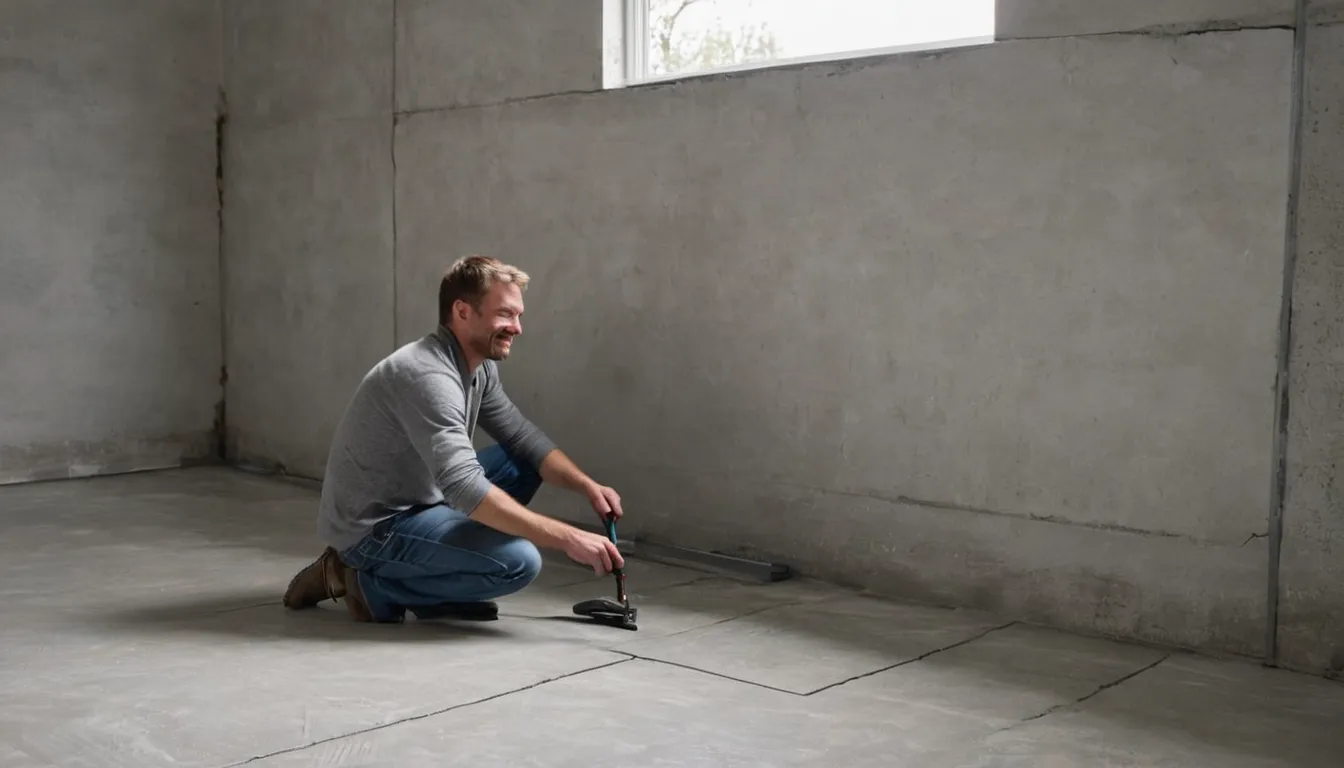
Is your concrete floor dusty, stained or starting to crack? Those are early signs, and they are easier to deal with when they are small. A concrete coating adds a tough, sealed layer that makes the slab easier to clean and better able to handle daily wear.
Unfortunatelydirectly Floor Coating is a referral service. We do not do the work. We connect homeowners in the Vernon area with independent providers in our network who handle concrete coating, from basements to porches and workshops. Tell us what you are seeing, request an estimate, and a local provider can take a look and explain your options in plain words.
Is my concrete floor trying to tell me something?
Usually, yes. Concrete rarely fails all at once. It drops hints first. Ask the floor, and look for these early signs:
- Fine dust on your shoes or in the corners
- Hairline cracks that look a little longer each season
- Old paint or sealer that flakes or peels
- Dark, damp patches or a musty smell
- Rough, pitted spots where the top layer wears away
- Stains that no amount of scrubbing lifts
Which sign should I deal with first?
Moisture and widening cracks come first. Water can push a coating off from below, and cracks can grow with each cold winter. Catch it small, and the fix is often a patch and a fresh coat. Wait too long, and the slab may need real repair before any coating goes on. A provider in our network can look at it and tell you which case you have.
What does concrete floor coating actually do?
It puts a bonded layer on top of the slab. Common choices include epoxy, polyaspartic and polyurea. The layer fills tiny pores, blocks most stains and makes sweeping easy. It also opens the door to custom floor finishes, like solid colors, color flakes or a metallic swirl.
Think of it as a skin for your floor. It protects the concrete, and it looks good doing it.
Can my basement floor be coated?
Often, yes. But basements come with one big question: moisture. Full basements with sump pumps and spring flooding tend to have damp slabs. So a careful provider tests the slab before anything goes down. The test shows whether water vapor is rising through the concrete.
If the reading is high, the provider may suggest a moisture-blocking primer. Or they may suggest waiting. Either answer is honest, and it saves you from a coating that bubbles later.
What about patios and porches?
Outdoor slabs take a beating. Hot, humid summers, hail, hard rain and deep winter frost all leave marks. Watch for pooling water, surface flaking and cracks near the edges.
Outdoor coatings need to resist sun and stay grippy when wet. Ask the provider about UV-stable topcoats and added texture. A smooth, glossy porch can turn slick in a storm.
Is a workshop floor different?
It can be. Rolling toolboxes, dropped wrenches, oil and cleaners are hard on a slab. Shop floors often need a thicker system with a tougher topcoat.
Tell the provider how you use the space. Heavy carts? Hot tires? Welding sparks? The answers shape the product choice. Concrete coating is not one size fits all.
What if I just want it to look nice?
Then a lighter system may do the job. Ask about your options, from simple solid colors to full-flake blends.
What about laundry rooms and other spaces?
Laundry rooms, utility rooms, mudrooms and storage areas all work well. Washers can leak, so a sealed floor makes cleanup easier. Mention floor drains and water heaters to the provider, too.
Some providers also handle hardwood flooring installation for upper floors. This page is about concrete, but it never hurts to ask what a provider offers.
How is the work done?
Good coating jobs are mostly prep. Here is the usual order:
- Clean the slab and remove grease
- Grind the surface so the coating can grip
- Fill cracks and chips
- Apply primer, then the base coat
- Add flakes or color if you chose them
- Finish with a clear topcoat
Why does grinding matter so much?
A glossy, sealed or dirty surface keeps a coating from bonding. Grinding opens the pores of the concrete. Skipped prep is a common reason coatings peel, so ask about it.
How long until I can use the floor?
It depends on the product and the weather. Some systems cure quickly, others take days. The provider will tell you when feet, then cars or heavy gear, are fine.
Coating or sealing: which one do I need?
A sealer soaks in or forms a thin film. It suits light wear and slabs in decent shape. A coating builds a thicker layer. It hides small flaws and handles more abuse.
If you see dusting but no cracks, a sealer may be enough. If you see peeling, pitting or deep stains, a coating is usually the better pick. A provider can explain which one suits your slab.
How do I keep a coated floor looking good?
Coat, then care. A little routine goes a long way.
- Sweep or dust mop weekly
- Mop with a mild cleaner, not harsh acids
- Wipe up spills when they happen
- Put mats at doors to catch grit
- Add pads under heavy furniture and tool chests
- Check seams and edges each season
What should I avoid?
Skip steel wheels, strong solvents and scraping with metal tools. In winter, wipe up salty slush so it does not sit. If you spot a small chip, ask about a touch-up early.
What should I ask the installer?
You are the coach of your own project. Questions worth asking:
- How will you test the slab for moisture?
- What prep steps will you use?
- Which product system, and why?
- How long before I can walk and park on it?
- What does the written quote include?
- What care does the floor need afterward?
Ready to take the next step?
Request an estimate and describe what you are seeing. Unfortunatelydirectly Floor Coating will introduce you to a local provider in the Vernon area. The provider does the work, and you make the call.
Request a callback to check provider availability if you would rather talk it through. Calls are answered Mon-Fri 9am-9pm ET.
What's Included
Basement and garage slabs
Providers in our network coat indoor slabs, including damp-prone basements, after testing moisture levels first.
Patios and porches
Outdoor concrete can be coated with sun-stable, slip-resistant systems built for rain, heat and frost.
Workshop floors
Tougher systems for tool traffic, oil, rolling carts and heavy gear in shops and hobby spaces.
Custom floor finishes
Pick solid colors, color flakes or metallic looks, then ask the provider which system suits your use.
What Concrete Coating Typically Costs
Prices vary by slab size, condition, product and region. These are typical U.S. ranges only. Ask each provider for a written quote that lists prep, materials and any repairs.
| Item | Typical range | Notes |
|---|---|---|
| Concrete grinding and prep | $1 – $3 per sq ft | Needed for almost every coating job |
| Crack and chip repair | $200 – $1,000 | Depends on how many cracks and how wide |
| Moisture-blocking primer | $1 – $4 per sq ft | Often used on basement slabs |
| Epoxy coating, solid color | $3 – $7 per sq ft | Flakes or color blends cost more |
| Polyaspartic or polyurea topcoat | $5 – $10 per sq ft | Tougher finish, often used outdoors |
| Basement floor, about 500 sq ft | $2,000 – $5,000 | Prep and repairs can move the total |
How It Works
Tell us what you see
Describe the cracks, dust, stains or peeling on your concrete floor and where the slab is located.
Get matched locally
Unfortunatelydirectly Floor Coating introduces you to a provider in our network serving your area.
Review the written quote
Compare prep, products, cure time and cost before you agree to anything.
Coat, then care
The provider does the work. Follow simple cleaning habits to keep it looking good.
Why Call Unfortunatelydirectly Floor Coating
Catch problems early
Spotting dust, cracks and damp patches sooner usually means a smaller repair and an easier coating job.
Local providers
You are matched with independent providers who know regional frost, humidity and moisture issues.
Plain guidance
We explain what to look for and what to ask, so quotes are easier to compare.
No pressure
Request an estimate, compare your options and decide on your own schedule with no obligation.
Other Services
Need concrete floor coating in Vernon?
Questions about a cracked, dusty or peeling floor? Send a request for an estimate and a local provider from our network will follow up.
Phone lines open Mon-Fri 9am-9pm ET · No obligationConcrete Floor Coating FAQ
How do I know if my concrete floor needs a coating?
Look for dusting, peeling paint, stains that will not clean, hairline cracks or rough pitted spots. These are early signs. A provider can check the slab and explain whether a coating or a sealer fits.
Can I coat a concrete basement floor that gets damp?
Sometimes. A provider should test the slab for moisture first. High readings may call for a moisture-blocking primer or a fix for the water source before coating.
How long does a concrete floor coating last?
It varies by product, prep, traffic and sun exposure. Well-prepped floors with regular light cleaning tend to hold up longer. Ask the provider what to expect for your space.
Tell us what happened
Questions about a cracked, dusty or peeling floor? Send a request for an estimate and a local provider from our network will follow up.
Phone lines open Mon-Fri 9am-9pm ET · No obligation